
The Revolutionary State and Individual Freedom
Doctor ZhivagoThis flow traces the conflict between Zhivago’s individual conscience and a political system demanding conformity.
increasing Bearing strength in each event
 decreasing
Bearing strength in each eventdecreasingAn Ideal of Emancipation
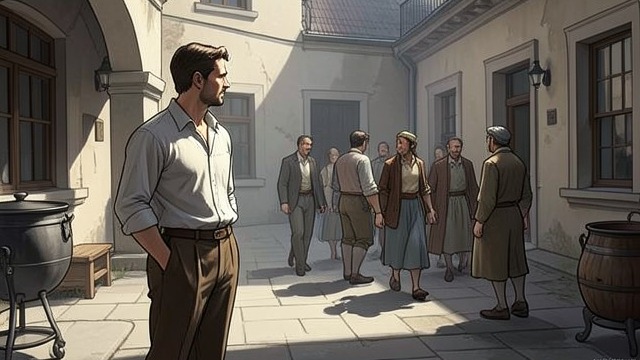
An Ideal of Emancipation
Hope before power
Zhivago initially welcomes the promise of social change and greater freedom.
He imagines a transformation that would broaden ordinary lives.
His hope is moral and imaginative rather than doctrinal.
Freedom in the Street
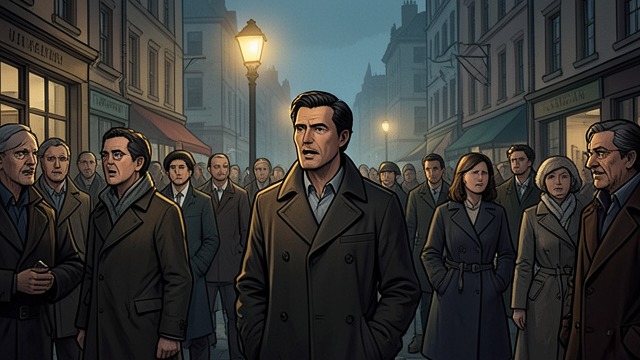
Freedom in the Street
A spontaneous opening
Zhivago experiences the revolution as a sudden release of public energy.
People speak and act with an unfamiliar sense of possibility.
The freedom feels real precisely because it was not carefully planned.
A Doctrine Takes Command
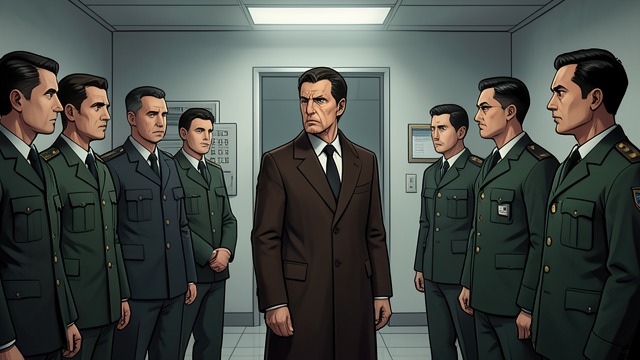
A Doctrine Takes Command
Ideals become rules
Political authorities reorganize workplaces, hospitals, and public institutions.
Zhivago sees a widening gap between slogans and lived conditions.
The revolution’s language begins to demand assent rather than inquiry.
The Doctor’s Refusal
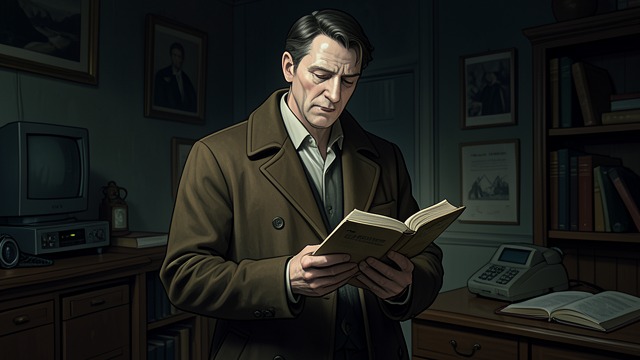
The Doctor’s Refusal
Conscience against orthodoxy
Zhivago resists being made to praise ideas he finds untrue.
His lectures on intuition and biology are condemned as politically suspect.
Professional work becomes a test of intellectual independence.
A Life under Suspicion
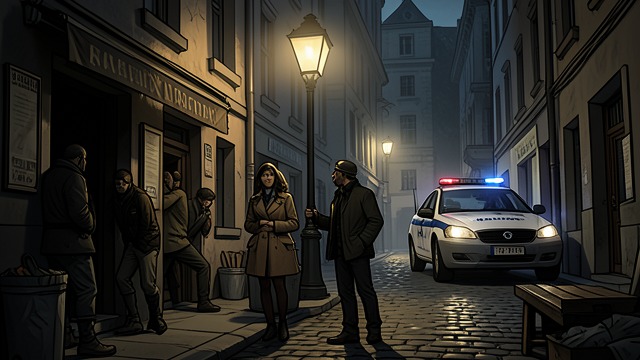
A Life under Suspicion
Private danger becomes public
Searches and arrests spread through Yuriatin, putting Zhivago and Lara at risk.
The threat grows from their family histories and their refusal to conform.
They retreat because independent life has become politically legible as guilt.
before 1917
spring 1917
after the October Revolution
during the early Soviet years
before the Varykino retreat
